Racking 

Avoid the devastating effects of a racking collapse. You simply can’t afford to risk it!
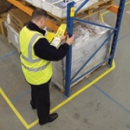
The chance of racking being hit by forklifts is high but reporting of collisions by drivers are low. The need for frequent racking checks are therefore critical, with checks required for both structural safety and the loads on the shelves to prevent damage from falling objects. By assuming your racking is safe you run the risk of:
- Injury/death to employees.
- Damage to plant, equipment and stored goods.
- Cost of temporary storage, whilst new racking is installed.
- Downtime and lost hours as a result of the accident and subsequent investigations.
- Legal, compensation and insurance costs.
- Damaged morale & public image.
Good to Go Safety™ ensures a routine maintenance check of all racking bays at the start of each daily shift, clearly identifying if the racking is good to go.
Good to Go Safety™ offer a solution for your routine maintenance check of pallet racking bays. The risk of forklift collision with racking is high and frequent racking inspections can reduce the risk of a racking collapse. Equipment tagging and racking checklist systems help towards a safer workplace.
- Ensures compliance with PUWER, WAHR, HSE & SEMA regulations and best practice.
- Instantly visible at the point of use - we recommend positioning by the safe working load (SWL) sign at the end of each aisle.
- Quick, easy to use check list ensures key safety checks are carried out prior to use.

- Encourages loads to be checked and reduces risk of falling agents from shelves/racks.
- Clearly identifies when racking is good to go and when it is not safe to use.
- The check list includes a classification of damaged racking and the recommended actions, in accordance with SEMA guidelines (using a colour coordinated level of risk).
- A tamper evident seal ensures validity of the check list, preventing potential tampering with check lists. A duplicate copy of the completed check list is also maintained in the check book for reference.
- Chronological records of all inspections are stored in completed check books using carbon copy paper. These books can be kept in secure offices or even off-site as part of your maintenance records and can prove an invaluable source of reference in the event of any accidents. The annual kit provides a handy storage box for all completed check books.